May 22, 2026
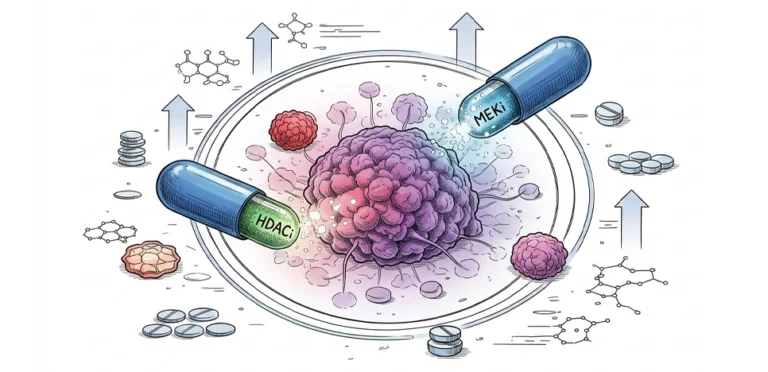
In the fight against cancer, single-agent treatments often hit a wall as tumors adapt and develop resistance. This is especially true for aggressive cancers like non-small-cell lung cancer (NSCLC) with KRAS and LKB1 mutations, a hard-to-treat subtype. These challenges are fueling a critical shift in oncology towards combination therapies that target cancer from multiple angles. […]
May 22, 2026
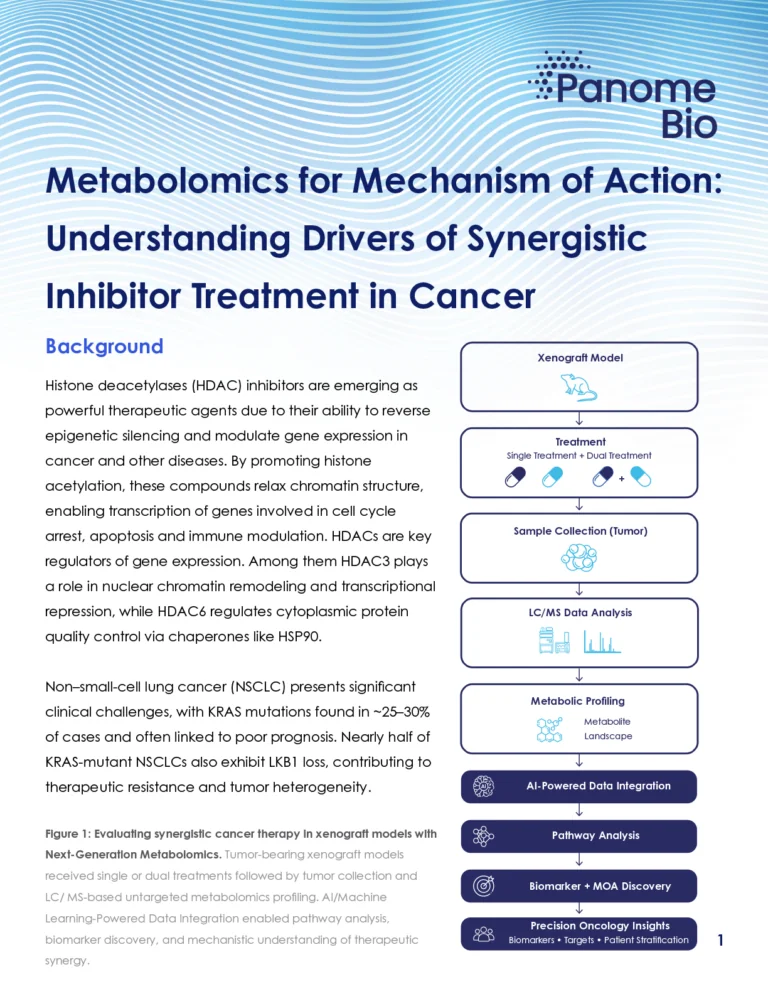
Metabolomics for Mechanism of Action in Synergistic Cancer Treatments Next-Generation Metabolomics can provide robust, biologically meaningful data for drug combination analysis. Learn more about treatment-induced metabolic reprogramming and targeted combination therapies in this case study. This application note has been redesigned with updated figures for improved clarity. The underlying analysis and conclusions remain the same.
April 28, 2026
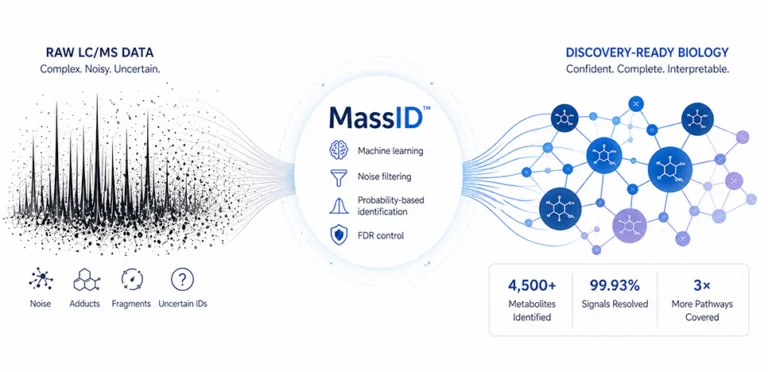
What if untargeted metabolomics delivered on its promise? For years, untargeted metabolomics has been one of the most compelling approaches in biology: measure broadly, capture molecular diversity and improve biological interpretation and understanding. In practice, however, it often results in noisy data, uncertain identifications and outputs that are difficult to interpret with confidence. Panome Bio […]
April 21, 2026
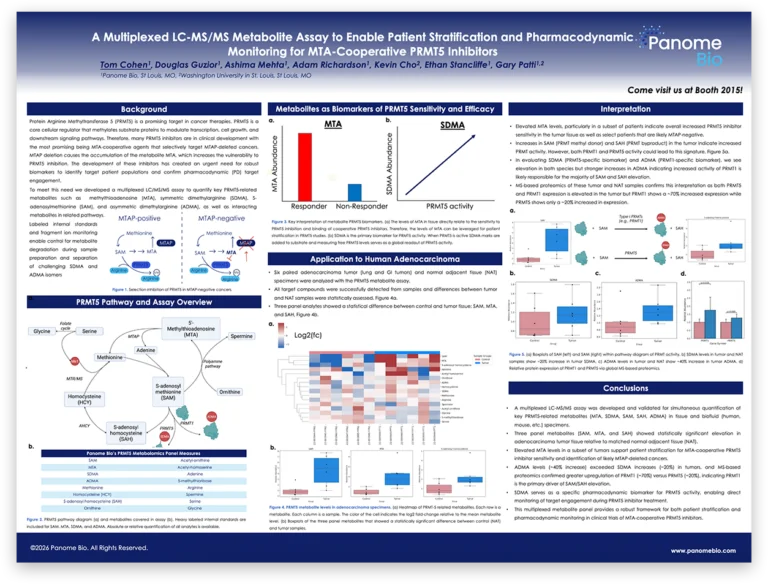
PRMT5 Metabolomics Panel for Patient Stratification This poster presents a targeted, multiplexed LC-MS/MS metabolomics assay developed to support patient stratification and pharmacodynamic monitoring for MTA-cooperative PRMT5 inhibitors in oncology research. Leveraging Panome Bio’s specialized PRMT5 metabolomics panel, the assay enables sensitive and quantitative measurement of key metabolites associated with methylthioadenosine (MTA) biology and PRMT5 pathway […]
April 10, 2026
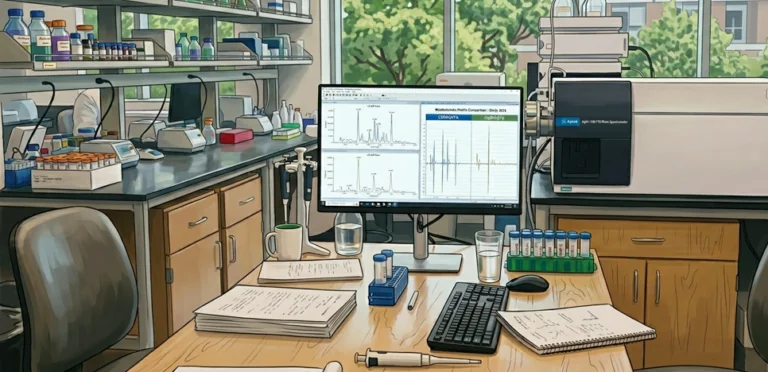
Terms like “comprehensive coverage” and “untargeted detection” are widely used in metabolomics, but they are rarely evaluated in controlled comparisons. Panome Bio conducted a head-to-head study against a widely used legacy platform using identical samples, independent workflows and quantitative metrics. The results highlight substantial differences in coverage, reproducibility and data completeness. The Setup Fifty identical […]

April 6, 2026
For decades, Formalin-Fixed Paraffin-Embedded (FFPE) tissue has been the standard for preserving clinical samples. From cancer biopsies to organ tissue, this method is used across hospitals and research centers worldwide to store biological material for long-term use and histological analysis. FFPE tissue’s unmatched stability and compatibility with microscopy makes it a valuable resource for retrospective […]
March 31, 2026
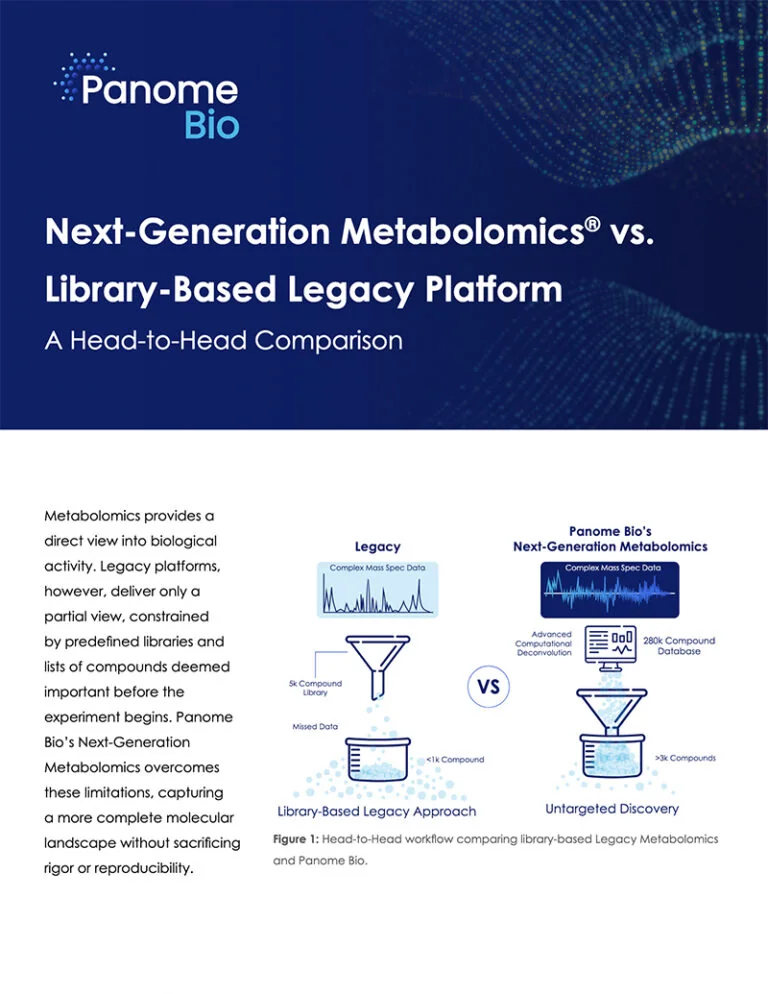
Metabolomics Comparison: A Head-to-Head Study Panome Bio conducted a controlled head-to-head metabolomics study using identical samples analyzed by a legacy library-based platform and Next-Generation Metabolomics®️. The results show a nearly 4× increase in detected compounds, significantly broader pathway coverage, improved reproducibility and complete data matrices. This comparison highlights the limitations of traditional metabolomics workflows and […]
March 31, 2026
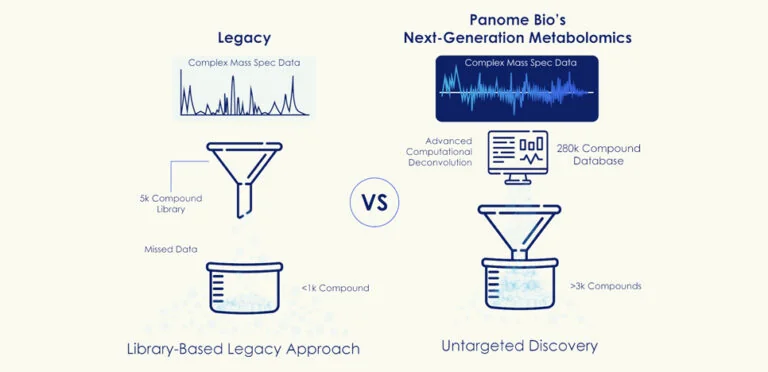
Researchers run experiments, send samples, and receive results that appear complete. However, a significant portion of the metabolome may never be captured in the final dataset. Not due to sample quality or preparation, but because many metabolomics platforms are inherently limited in what they can detect and identify. The List Problem in “Untargeted” Metabolomics Most […]
February 26, 2026
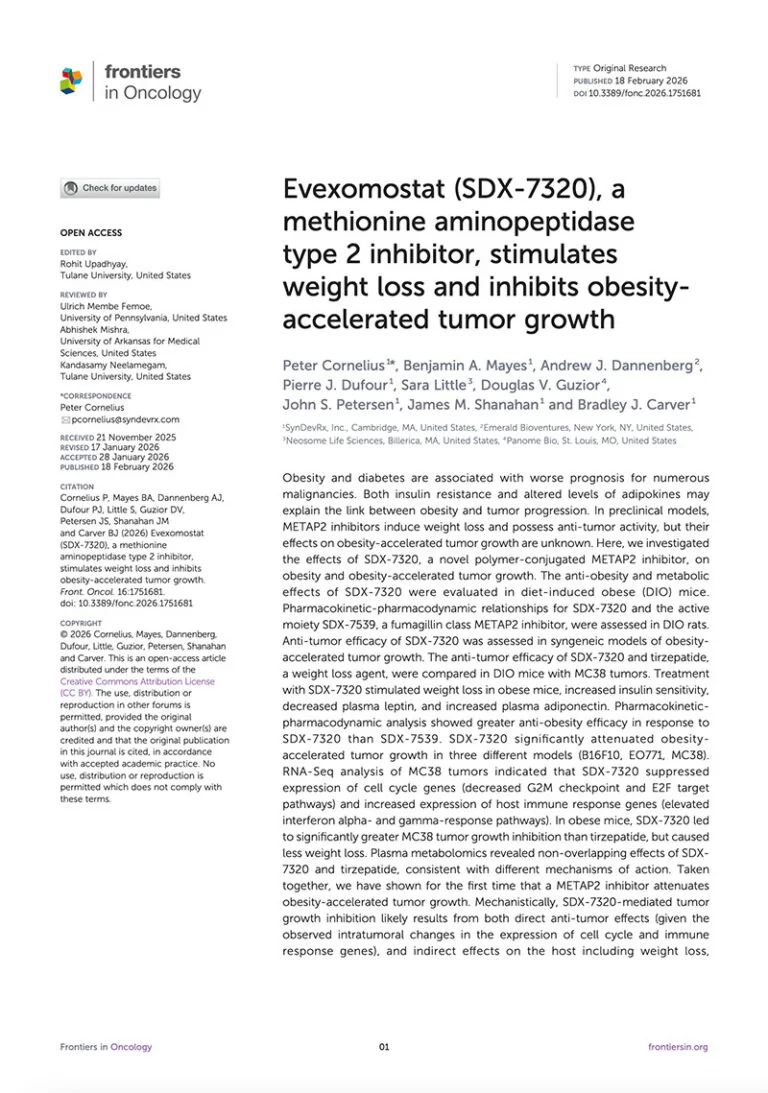
This publication from SynDevRx examines the dual anti-obesity and anti-tumor effects of Evexomostat (SDX-7320), a METAP2 inhibitor evaluated in diet-induced obese mouse and rat models. Using Next-Generation Metabolomics from Panome Bio, the study reveals distinct metabolic signatures that differentiate SDX-7320 from traditional weight-loss agents, aligning with its observed suppression of obesity-accelerated tumor growth. Integrated metabolic […]
February 26, 2026
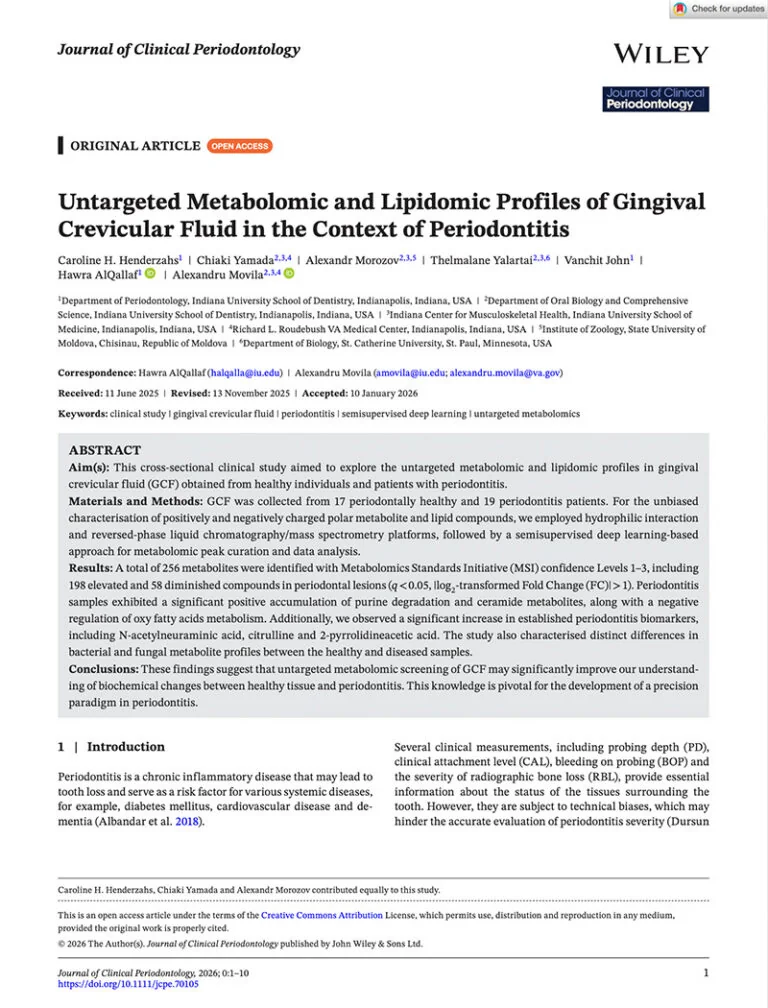
Our partners at Indiana University leveraged Next-Generation Metabolomics to profile metabolic and lipidomic changes in gingival crevicular fluid from healthy individuals and patients with periodontitis. Using dual LC-MS platforms and deep-learning–assisted data curation, the study identified 256 differentially expressed metabolites, revealing elevated purine degradation products, increased ceramides, reduced oxy-fatty acids, and enrichment of known periodontitis […]