October 1, 2026
Why Has Genomics Not Solved Most Chronic Diseases? Why hasn’t genomics solved most chronic diseases? In this episode of ChatGJP, Panome Bio CSO Gary J. Patti explains why genomics has provided valuable insights into health and disease, but cannot capture every factor that influences an individual’s health. While genomics has been applied at enormous population […]
September 29, 2026
How Is Multi-Omics Changing Chronic Disease Diagnosis? How is multi-omics changing the way researchers define and diagnose chronic disease? In this episode of ChatGJP, Panome Bio CSO Gary J. Patti explains how combining molecular data can provide greater resolution into the biological differences between patients and disease states. Chronic diseases can exist along a spectrum, […]
September 28, 2026
What Is the Biggest Challenge in Integrating Multi-Omics Data? How can researchers make complex multi-omics datasets work together? In this episode of ChatGJP, Panome Bio CSO Gary J. Patti explains the challenges of integrating genomics, proteomics, metabolomics, and exposomics data and why synchronization is key to extracting meaningful biological insights. Rather than analyzing each omics […]
June 15, 2026
This data report presents the complete Cell Surface Multi-Omics analysis of KRAS-knockdown and wild-type HCT-116 cells, including cell surface proteomics, membrane lipidomics, differential expression analysis and integrated protein–lipid interpretation from matched membrane fractions.
June 15, 2026
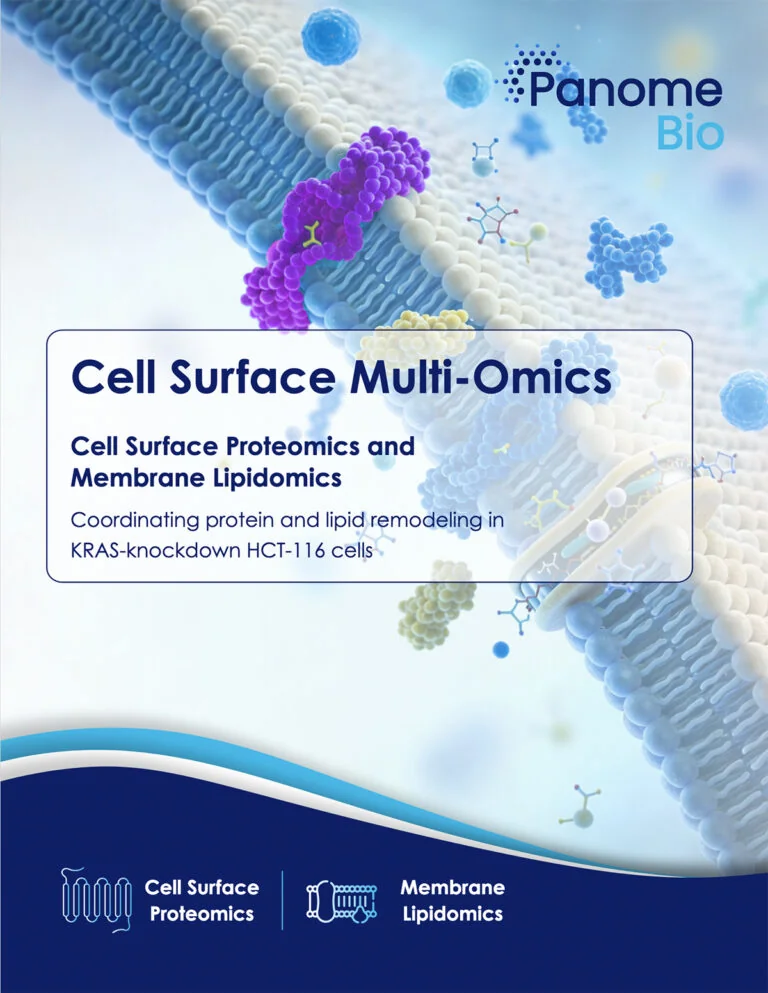
KRAS Knockdown Remodels Surface Proteins and Lipids Cell Surface Multi-Omics combines cell surface proteomics and membrane lipidomics from matched membrane fractions to characterize the protein and lipid architecture of the cell surface. In KRAS-knockdown HCT-116 cells, integrated profiling revealed coordinated remodeling of surface receptors, transport proteins, and membrane lipid classes associated with membrane organization and […]
June 15, 2026
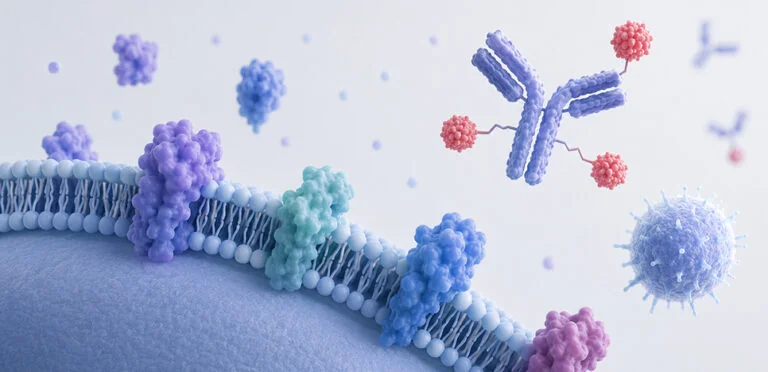
Why Cell Therapy Target Selection Is So Difficult Antibody-drug conjugates (ADCs) and CAR-T therapies have reshaped modern oncology, but their success still depends on one deceptively simple question: are we targeting the right protein? In practice, answering this is anything but simple. A clinically viable target must be present on tumor cells at sufficient levels, […]
May 21, 2026
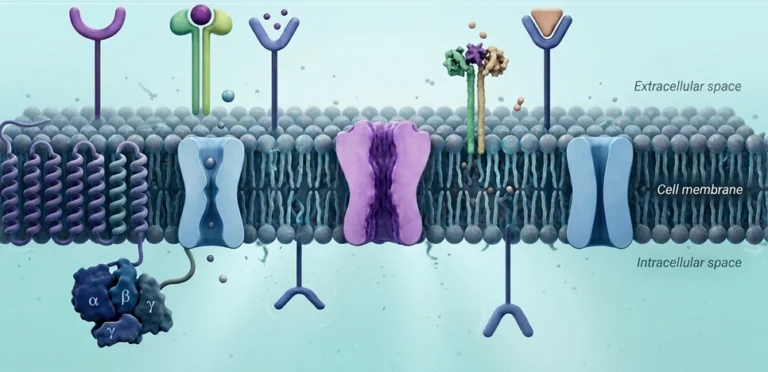
Drug development is expensive, slow, and highly unpredictable. Despite major advances in genomics and precision medicine, nearly 90% of drug candidates still fail (Doi: 10.1016/j.apsb.2022.02.002) during clinical development, often because the selected target was not sufficiently validated early on. One of the biggest blind spots in drug discovery is the cell surface proteome: the collection of […]
April 21, 2026
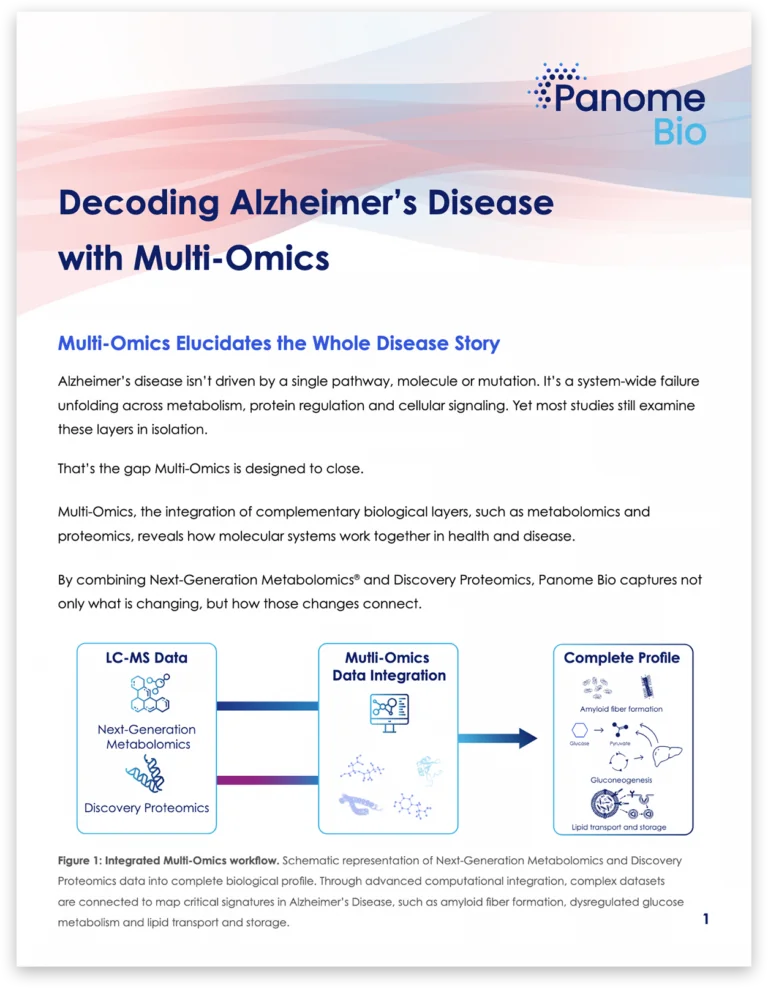
Decoding Alzheimer’s Disease with Multi-Omics Alzheimer’s disease involves coordinated changes across metabolism, proteins and cellular systems. By combining metabolomics and proteomics, this study examines how these changes relate within the same biological context.
April 20, 2026
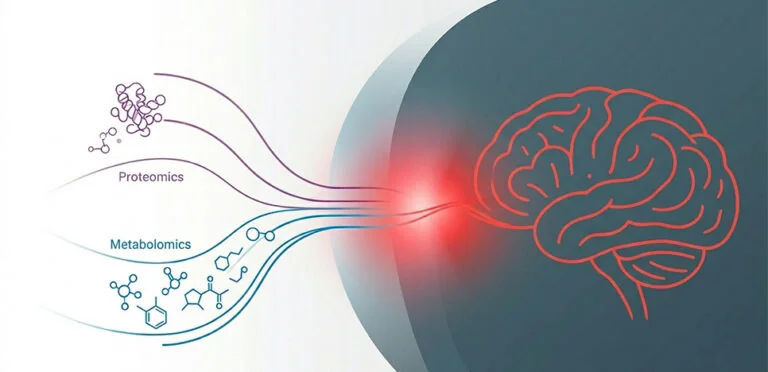
Alzheimer’s as a System-Level Disorder via Multi-Omics Alzheimer’s disease is not driven by a single pathway, molecule or mutation. Instead, it reflects a system-level breakdown across metabolism, protein regulation and cellular signaling. Yet most studies still analyze these layers in isolation. That’s the gap Multi-Omics is designed to close. Multi-Omics integrates complementary biological layers, such […]
April 15, 2026
This study presents an integrated proteomics and metabolomics analysis of Alzheimer’s disease using serum samples. Across 11,000+ molecular features, Panome Bio identified systemic metabolic dysregulation, lipid transport disruption, and protein-level changes associated with disease pathology.