
September 24, 2025
The Lipid Connection in Neurodegeneration While much of Alzheimer’s disease research has historically focused on protein aggregation (amyloid-beta plaques and tau tangles), a growing body of evidence points to fundamental disruptions in lipid metabolism as both driver and consequence of neurodegenerative processes. Among the various lipid classes implicated in Alzheimer’s pathology, sphingolipids have emerged as […]
September 23, 2025
This webinar, featuring Dr. Andrew Patterson of Penn State University, will explore how metabolomics is advancing our understanding of host–microbiome interactions, with a special focus on bile acids. Traditionally recognized for their role in fat solubilization, bile acids are now emerging as powerful biomarkers of microbiome function and versatile signaling molecules with diverse biological roles. Dr. Patterson will highlight the discovery of novel bile acid conjugates and new molecular targets, underscoring how multi-omic approaches are essential to unraveling the complex dialogue between host and microbiome.

September 22, 2025
In translational research today, multi-omics is no longer a concept — it’s an expectation. Genomics and transcriptomics reveal what could happen; proteomics shows what is happening at the protein level; and metabolomics offers the most immediate snapshot of cellular activity. Together, these layers create a richer understanding of disease mechanisms, therapeutic response, and patient stratification. […]

September 21, 2025
Measuring the Unmeasurable The most critical metabolites in PRMT5 research are also the most challenging to measure accurately. S-adenosylmethionine (SAM) and methylthioadenosine (MTA) are essential for understanding PRMT5 biology, but their inherent chemical instability has created an analytical bottleneck that’s limiting drug development progress. These highly reactive molecules spontaneously degrade during sample processing, creating artifacts […]

September 19, 2025
For food and nutrition researchers, understanding the gut microbiome is paramount to developing next-generation products that promote health. While 16S rRNA sequencing and shotgun metagenomics have provided a census of which microbes live in the gut, they fall short of answering the most critical question: what are these microbes actually doing? The metabolic outputs of […]
September 18, 2025
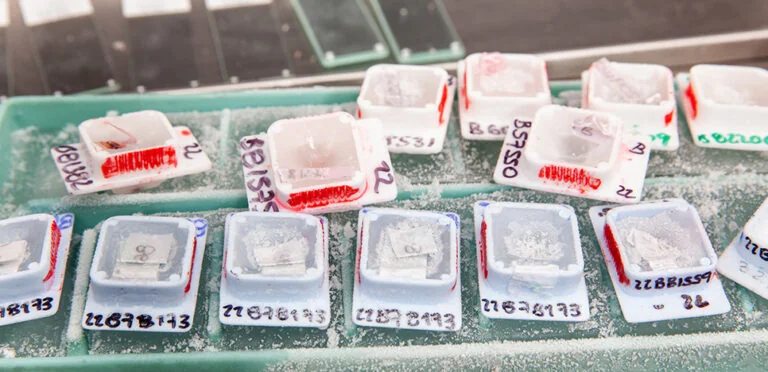
Biobanks play a central role in advancing biomedical research. They preserve tissues, connect researchers with patient samples, and maintain the integrity of archives that support discovery and development across the life sciences. Yet despite this importance, biobanks face increasing pressure to demonstrate their relevance in a rapidly evolving research ecosystem. Researchers and funders are asking […]
September 18, 2025
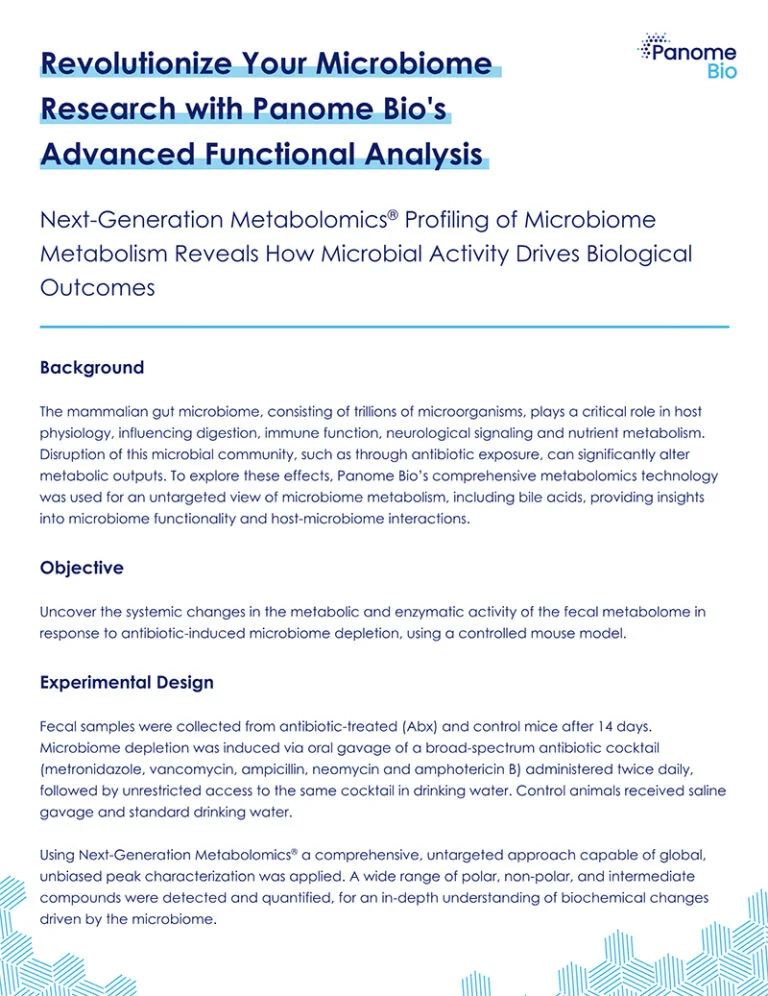
Revolutionize Microbiome Research with Functional Analysis The gut microbiome, a community of microorganism, influences host digestion, immunity, neural signaling and metabolism. Discover how Next-Generation Metabolomics reveals microbiome functions and host interactions, by analyzing a wide range of metabolic products.

September 16, 2025
Why Protein-Centric Alzheimer’s Research Has Fallen Short The pharmaceutical industry’s intensive focus on amyloid-beta and tau pathology in Alzheimer’s disease has yielded limited therapeutic success despite decades of investment and dozens of clinical trials. While these protein aggregates undeniably represent important pathological features of the disease, the repeated failure of compounds targeting amyloid production, aggregation, […]

September 16, 2025
The expanding global herbal products market and increasing regulatory scrutiny have created unprecedented demands for robust quality control and standardization methodologies that transcend traditional single-marker approaches. While conventional quality control of natural product-derived medicines typically relies on HPLC analysis targeting one or two indicator compounds, this limited framework proves inadequate for addressing the compositional complexity […]

September 16, 2025
Why Genetic Biomarkers Aren’t Enough for PRMT5 Patient Selection The PRMT5 inhibitor field is facing a patient selection crisis that’s quietly undermining billion-dollar drug development programs. While genomic biomarkers promised to revolutionize precision oncology, mounting evidence suggests that MTAP (S-methyl-5′-thioadenosine phosphorylase) deletion status, the primary biomarker used to identify patients for PRMT5 inhibitor trials, may […]