November 24, 2025
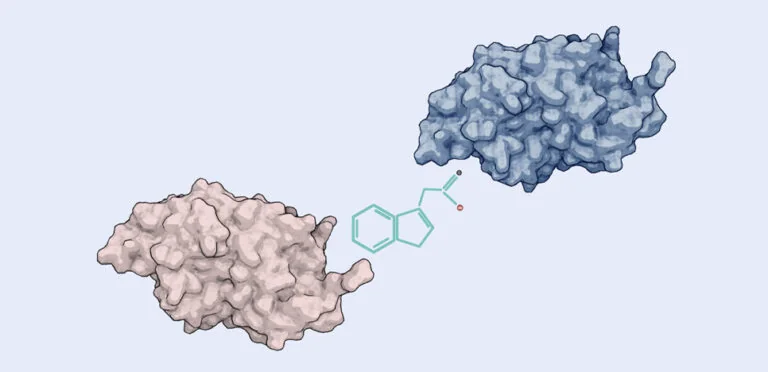
Linking Protein Degradation to Functional Metabolic Consequences Molecular glue degraders induce targeted protein degradation through E3 ligase modulation, but measuring protein loss alone provides an incomplete picture of therapeutic activity. The functional consequences of protein degradation manifest rapidly at the metabolic level, where changes in enzyme activity, pathway flux, and substrate availability create distinctive metabolomic […]

November 24, 2025
Biomarker-Driven mRNA Trials: How Discovery Metabolomics Finds the Responders Before Treatment Your Phase 2 mRNA therapeutic trial enrolled sixty patients. Twenty showed remarkable responses. Thirty had modest benefits. Ten showed no response at all. Now you’re designing Phase 3, and the critical question emerges: can you identify the responders before dosing? Patient heterogeneity drives clinical […]

November 24, 2025
Two Targets, One Pathway: The Metabolomic Logic Behind MAT2A/PRMT5 Combination Therapies The next breakthrough in cancer treatment may come from attacking two targets within the same metabolic pathway. MAT2A and PRMT5 inhibitor combinations represent a new paradigm in precision oncology, using metabolic dependencies to create synthetic lethal interactions that spare normal cells while eliminating cancer […]

November 7, 2025
The Traditional Media Optimization Bottleneck If you’re developing cultured meat at scale, you know the frustration. Your cells grow well for the first 48-72 hours, then productivity crashes. You suspect the media formulation, but identifying the limiting nutrients feels like searching for a needle in a haystack. So, you do what everyone does: systematic trial-and-error […]

November 7, 2025
Connecting the Two Halves of the RLT Puzzle Understanding how radioligand therapy (RLT) works in cell line-derived xenograft (CDX) models requires connecting two complementary perspectives: Where the treatment goes, and What happens inside tumor cells once it gets there. Preclinical contract research organizations (CROs) are highly effective at addressing the first part through PET and […]

November 6, 2025
How Quality Infrastructure Impacts Scientific Impact The scientific landscape has shifted dramatically as reproducibility concerns have fundamentally changed how reviewers evaluate manuscripts, how funding agencies assess proposals, and how collaborators choose partners, creating an environment where infrastructure supporting research matters as much as science itself. Yet many researchers continue viewing quality systems primarily as regulatory […]
November 5, 2025
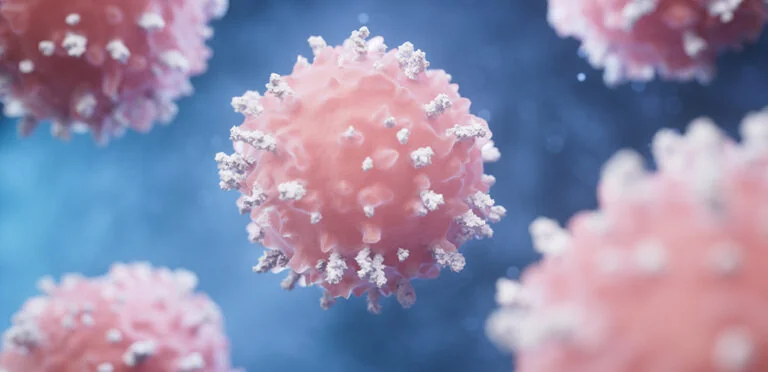
Radioligand therapy (RLT) has emerged as a transformative precision oncology approach with remarkable initial response rates. However, treatment resistance remains a critical challenge that can limit long-term therapeutic success. Imaging technologies—including PET, SPECT, MRI, and bioluminescence—provide essential monitoring of treatment response and disease progression, forming the backbone of RLT development. The integration of metabolomics from […]

November 4, 2025
The Metabolic Frontier of Neuroscience: Lessons from Alzheimer’s Disease Alzheimer’s disease is a complex, devastating neurodegenerative disorder and the most common form of dementia, affecting millions globally. While decades of research have focused on the infamous amyloid plaques and tau tangles, a powerful new focus is emerging: metabolism. Metabolomics, the deep, comprehensive study of small […]

November 3, 2025
The comprehensive evaluation of natural product therapeutic efficacy requires sophisticated analytical approaches that extend beyond traditional single-endpoint assessments to encompass dynamic host response profiling through integrated metabolomics and proteomics methodologies. Modern pharmaceutical development demands detailed understanding of how natural products modulate host biological systems at both the metabolite and protein levels, providing mechanistic insights into […]
October 1, 2025
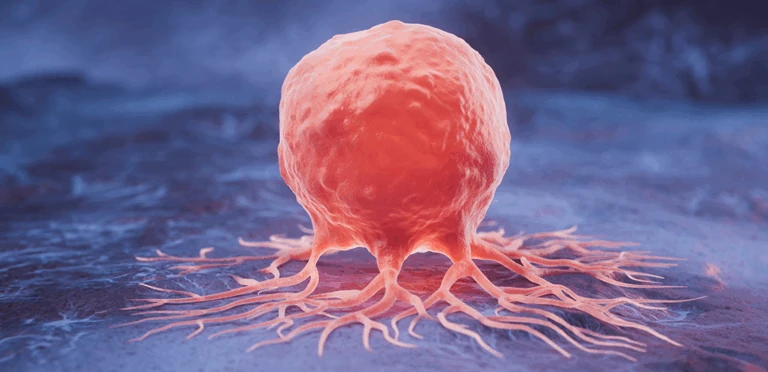
Why Cancer Vaccine Mechanism of Action Requires All Three ‘Omics Your IND submission for an mRNA cancer vaccine needs a mechanism of action section. You have data showing mRNA delivery, antigen expression, and tumor response. But can you demonstrate the complete mechanistic cascade from genetic instruction to immune activation to metabolic reprogramming? Regulatory agencies increasingly […]