

The Metabolic Frontier of Neuroscience: Lessons from Alzheimer’s Disease
Alzheimer’s disease is a complex, devastating neurodegenerative disorder and the most common form of dementia, affecting millions globally. While decades of research have focused on the infamous amyloid plaques and tau tangles, a powerful new focus is emerging: metabolism.
Metabolomics, the deep, comprehensive study of small molecules (metabolites) in a biological sample, is quickly becoming a critical tool for exposing biochemical changes associated with Alzheimer’s disease.
The Power of Metabolomics in Alzheimer’s Research
Metabolomics provides a dynamic snapshot of an organism’s biochemical state, capturing the cumulative effects of a person’s genes, environment and lifestyle.
For Alzheimer’s research, this means it can help scientists:
- Identify biomarkers for earlier, more accurate diagnosis.
- Track disease progression with higher precision.
- Reveal entirely new therapeutic targets.
Recent studies consistently highlighted significant metabolic alterations in Alzheimer’s disease patients, including changes in energy metabolism, lipid profiles and neurotransmitter levels. For instance, a multi-omics study published in Nature Communications identified blood metabolites associated with Alzheimer’s Disease risk, integrating genomics and metabolomics data to provide deeper insights into the disease’s underlying pathophysiology (https://doi.org/10.1038/s41467-024-47897-y).
Panome Bio’s Distinct Metabolic Signature Detection
In a recent study Panome Bio’s Next-Generation Metabolomics® platform analyzed serum samples from Alzheimer’s patients and healthy age- and sex-matched controls. 1,308 metabolites were confidently identified. Untargeted metabolomics revealed also a clear metabolic distinction between the two groups. A Principal Component Analysis (PCA) captured nearly half (49.5%) of the total metabolite variance across just two components, highlighting clear distinct metabolic signature for Alzheimer’s patients (as shown in Figure 1).
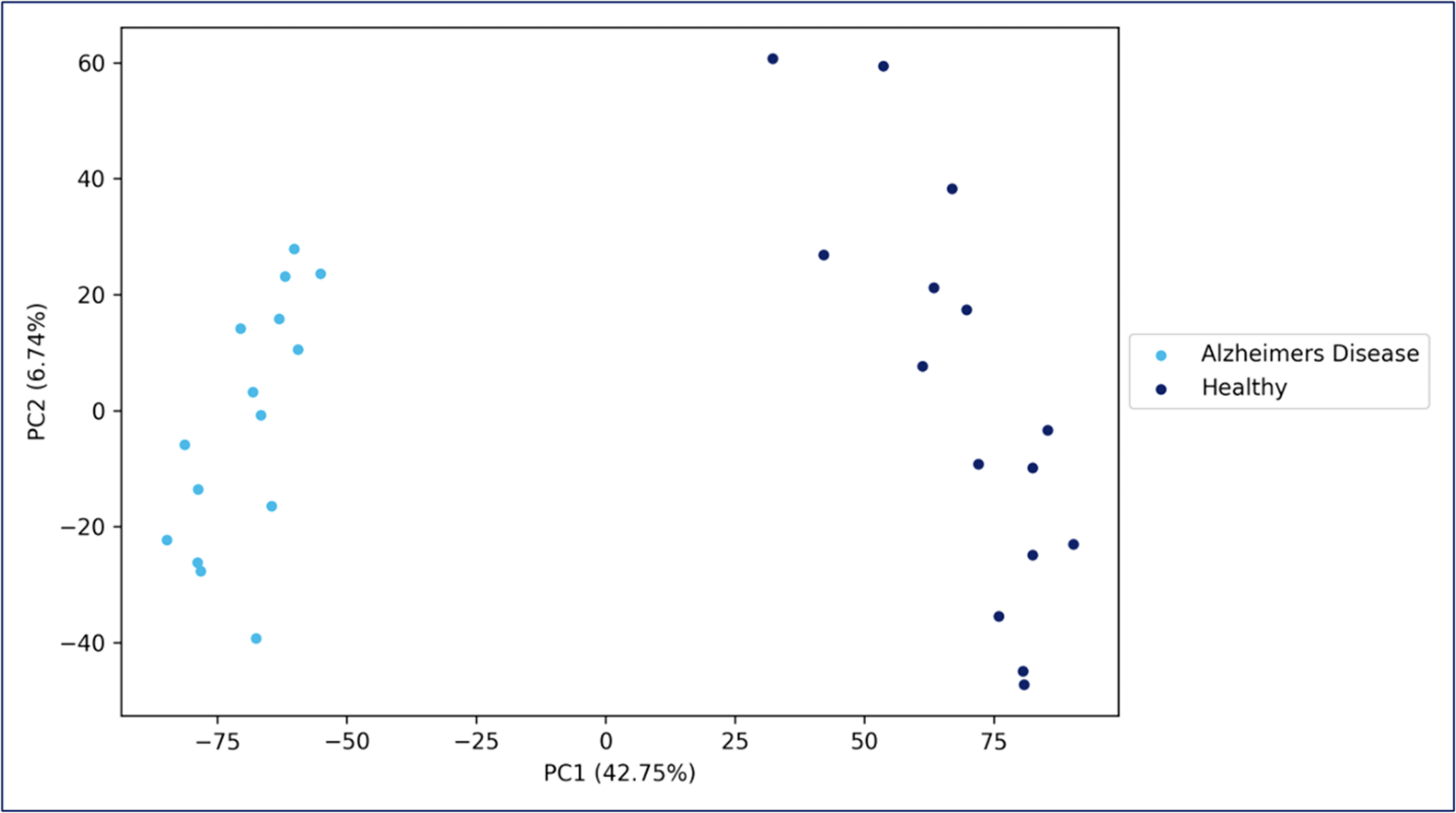
Figure 1: Principal component analysis reveals a distinct pattern for Alzheimer’s disease patients.
Key Metabolic Alterations in Alzheimer’s Disease
Metabolomics research has uncovered several metabolic changes in Alzheimer’s disease patients:
- Energy Metabolism: Alterations in glycolysis and mitochondrial function lead to reduced ATP production, affecting neuronal health. (https://doi.org/10.1186/s13024-020-00376-6)
- Metabolism: Changes in fatty acid profiles, including omega-3 and omega-6 fatty acids, can compromise cell membrane fluidity and signaling pathways. (https://doi.org/10.3389/fphys.2020.00598)
- Amino Acid and Neurotransmitter Levels: Imbalances in neurotransmitters like glutamate and gamma-aminobutyric acid (GABA) can severely disrupt synaptic function and plasticity. (https://doi.org/10.1186/s12883-025-04375-2)
- Oxidative Stress and Inflammation: Elevated levels of reactive oxygen species and inflammatory markers contribute to neuronal damage and disease progression. (https://doi.org/10.1155/2016/8590578)
Panome Bio’s further untargeted metabolomics analysis identified 1,066 metabolites that were significantly altered in Alzheimer’s patients as shown in Figure 2.
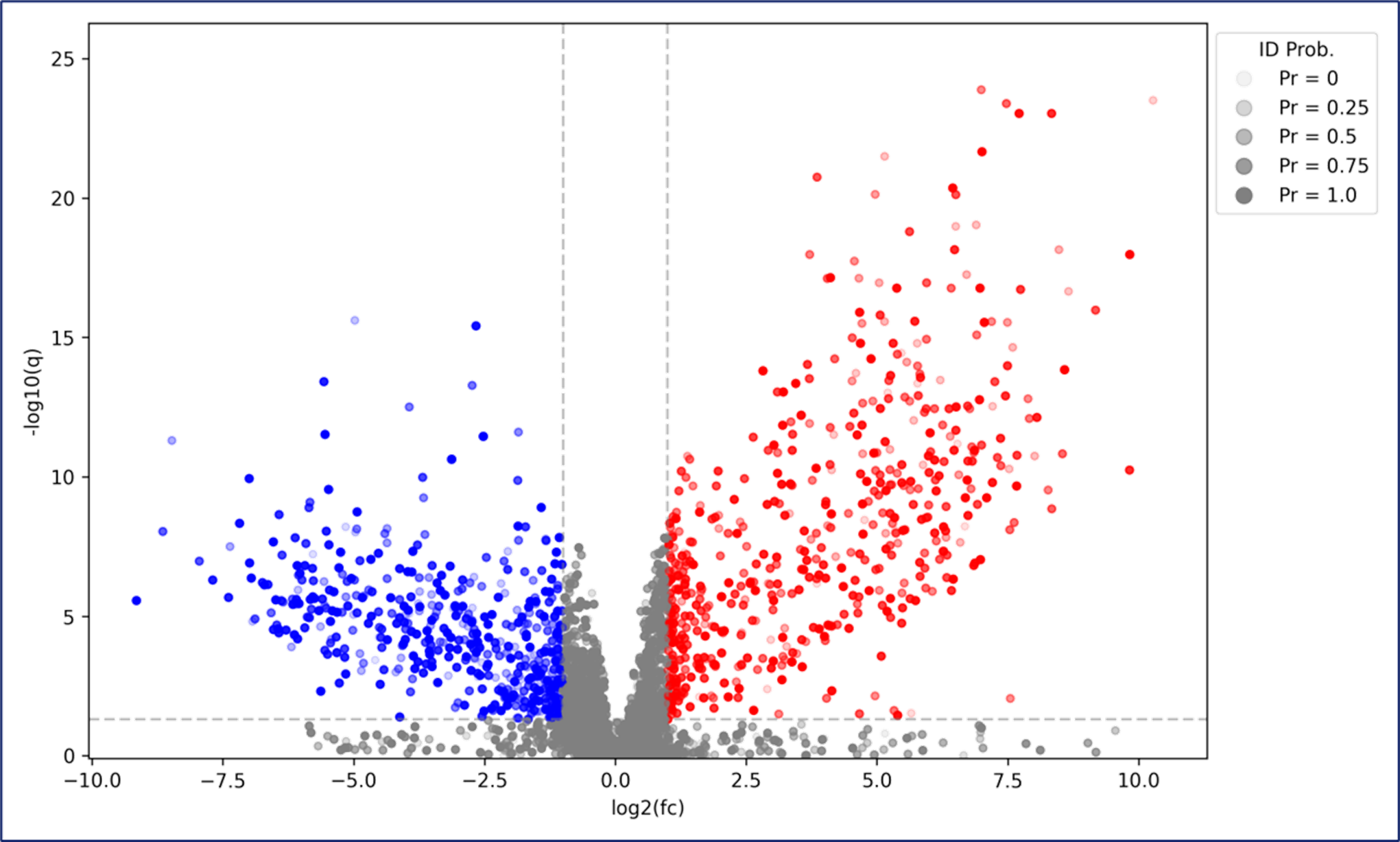
Figure 2: Volcano plot of significantly altered metabolites. Blue dots represent significantly reduced and red dots significantly enriched metabolites in Alzheimer’s patients.
Among these, certain metabolites were enriched, including energy-related compounds, glycerides, cardiolipins, and glycoprotein-processing metabolites. This suggests shifts in cellular energy use and membrane dynamics (Figure 3, left heatmap).
Conversely, other metabolites were reduced, spanning energy intermediates, nucleotides, bile acids, cholesterol esters, and vitamin derivatives. This points to a widespread and systemic metabolic disruption in Alzheimer’s disease (Figure 3, right heatmap).
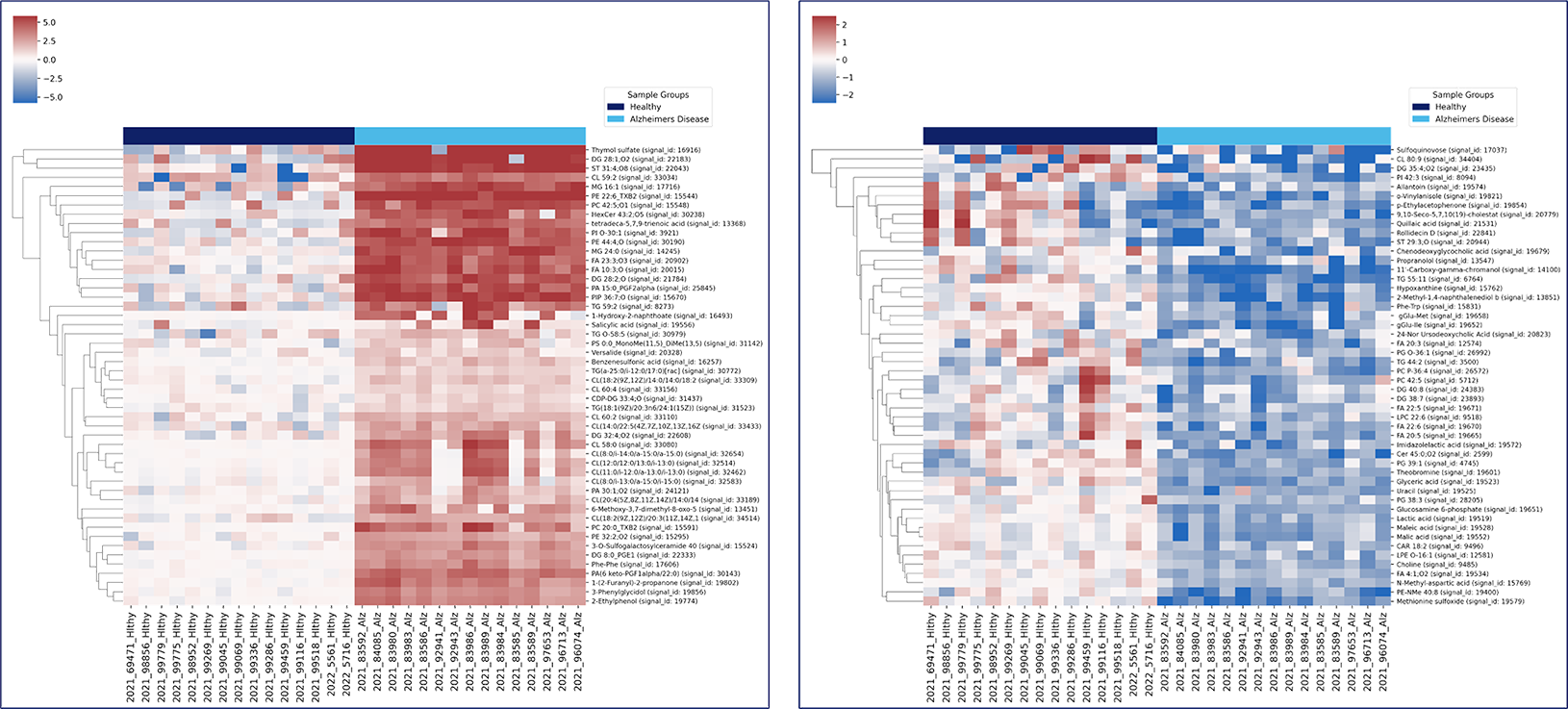
Figure 3: Heatmap of significantly enriched and reduced metabolites compared to Health patients.
The Role of Panome Bio’s Next-Generation Metabolomics
Panome Bio’s Next-Generation Metabolomics platform provides an unprecedented look at the Alzheimer’s metabolome. By comprehensively profiling lipids, polar metabolites, and metabolic intermediates, the platform validates researchers to capture a holistic view of the diseases metabolic landscape.
These analyses allow researchers to pinpoint which metabolic pathways are disrupted, revealing distinct signatures of disease progression and potential point for intervention. Detailed metabolic mapping can lead to the identification of novel biomarkers and therapeutic targets, which is essential for the development of precision medicine strategies for Alzheimer’s.
The Future of Alzheimer’s Research
The integration of metabolomics and multi-omics into Alzheimer’s research is the way for personalized treatment approaches. By understanding the specific metabolic changes to an individual patient, therapies can be tailored to address the unique biochemical landscape of their disease. This shift towards precision neurology holds promise for more effective interventions and improved patient outcomes.
As the field continues to evolve, the role of metabolomics will expand significantly, offering new avenues for early detection, monitoring, and treatment. With cutting-edge tools like Panome Bio’s platform, the scientific community is now better equipped to unravel the complex metabolic foundations of Alzheimer’s, bringing us closer to a future where personalized, effective therapies are the standard.
Frequently Asked Questions
What metabolic changes occur in the brain during Alzheimer’s disease?
Alzheimer’s disease involves impaired glycolysis and mitochondrial function that reduces ATP production, altered omega-3 and omega-6 fatty acid profiles that compromise cell membrane function, disrupted glutamate and GABA neurotransmitter levels that damage synaptic plasticity, and elevated oxidative stress markers that contribute to neuronal damage.
How many metabolites has Panome Bio identified in Alzheimer’s disease research?
In an untargeted serum metabolomics study, Panome Bio’s Next-Generation Metabolomics platform identified 1,308 metabolites, of which 1,066 showed statistically significant alterations between Alzheimer’s disease patients and healthy controls.
How can metabolomics improve Alzheimer’s disease diagnosis?
Comprehensive metabolomic profiling can identify biomarker signatures that distinguish Alzheimer’s patients from healthy individuals earlier and more precisely than traditional approaches, supporting earlier diagnosis, more accurate tracking of disease progression, and discovery of novel drug targets.
What does Panome Bio’s metabolomics platform reveal that targeted panels miss?
Because it profiles lipids, polar metabolites, and metabolic intermediates comprehensively rather than a predefined panel, Panome Bio’s untargeted platform provides an unprecedented look at the Alzheimer’s metabolome, capturing broad biochemical disruption across energy metabolism, lipid handling, neurotransmission, and oxidative stress simultaneously.
How does metabolomics support personalized treatment approaches for Alzheimer’s disease?
By revealing which specific metabolic pathways are disrupted in an individual or patient subgroup, metabolomic profiling lays the foundation for stratifying patients by their underlying biochemical drivers of disease, informing more personalized treatment and combination-therapy strategies.