
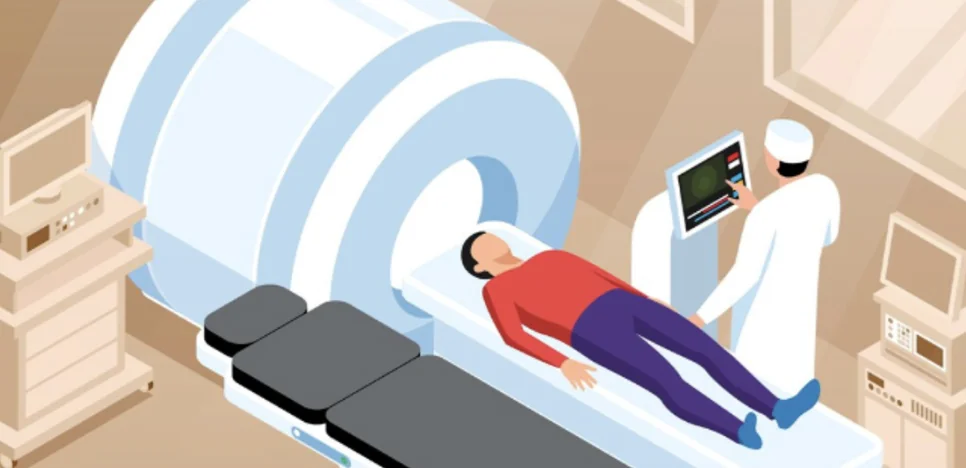
Radioligand therapy (RLT) represents a revolutionary precision oncology approach, delivering targeted radiation directly to cancer cells while sparing healthy tissue. As this field rapidly evolves, researchers are discovering that traditional imaging and biodistribution studies, while essential, tell only part of the story. Enter metabolomics and proteomics —powerful molecular profiling technologies from companies like Panome Bio that are transforming how we develop, optimize, and deploy radioligand therapies.
Beyond the Image: The Molecular Foundation of RLT
While imaging provides crucial spatial and temporal information about radioligand uptake and distribution, it cannot reveal the intricate molecular mechanisms driving treatment response or resistance. This is where omics technologies shine. Proteomics offers a comprehensive view of the protein landscape, identifying and quantifying the specific molecular targets that radioligands engage. For established targets like PSMA in prostate cancer or somatostatin receptors in neuroendocrine tumors, proteomic analysis can reveal target expression heterogeneity, co-expressed proteins that might influence uptake, and downstream signaling cascades activated upon radioligand binding.
Surface proteomics is particularly valuable in this context, providing detailed characterization of cell surface proteins, which are the primary targets for most radioligands. This approach can uncover novel targetable antigens, assess target accessibility, and identify potential off-target interactions that might affect treatment efficacy or safety. Furthermore, phosphoproteomics reveals the dynamic signaling networks activated or disrupted by radioligand binding, providing mechanistic insights that can inform combination therapy strategies.
Metabolic Insights: The Cellular Response to Radiation
Metabolomics complements these protein-level insights by revealing how radioligand therapy alters cellular metabolism. When radioligands deliver their therapeutic payload, they trigger complex metabolic responses that precede and predict treatment outcomes. These metabolic signatures can serve as early biomarkers of treatment response—often detectable before imaging shows tumor shrinkage.
The metabolic consequences of targeted radiation are multifaceted. DNA damage repair processes consume significant cellular resources, altering nucleotide metabolism and energy production. Cells may shift from oxidative phosphorylation to glycolysis, a metabolic reprogramming that can be quantified through metabolomic analysis. Amino acid metabolism often becomes dysregulated as cells attempt to maintain protein synthesis under radiation stress. These metabolic changes provide a molecular-level understanding of how and why certain tumors respond to RLT while others develop resistance.
Transforming Drug Development Through Molecular Integration
The integration of metabolomics and proteomics into RLT development workflows offers several transformative advantages. During target identification and validation phases, these technologies can confirm target expression, assess target density across different tumor types, and identify co-targets that might enhance therapeutic efficacy. This molecular characterization is particularly valuable for expanding RLT applications beyond well-established targets.
In preclinical development, omics approaches can optimize radioligand design by revealing how structural modifications affect target engagement, cellular uptake mechanisms, and downstream biological effects. They can also identify predictive biomarkers that stratify patients most likely to benefit from specific RLT approaches, moving the field toward truly personalized radioligand therapy.
Perhaps most importantly, metabolomics and proteomics provide mechanistic insights into resistance mechanisms. As tumors adapt to repeated RLT treatments, they undergo molecular changes that can be captured through omics profiling. Understanding these adaptive responses enables the development of combination strategies that prevent or overcome resistance, potentially involving metabolic inhibitors, targeted therapies, or alternative radioligands.
The Future Landscape
As RLT continues to expand across tumor types and clinical applications, the integration of molecular profiling technologies will become increasingly critical. Companies such as Panome Bio are advancing this integration by providing comprehensive Next-Generation Metabolomics® and Discovery Proteomics platforms that complement traditional imaging approaches in radioligand therapy development.
This integrated approach promises to accelerate next-generation radioligand development and improve patient outcomes. For preclinical researchers, the future of RLT lies not just in better imaging or more potent radioisotopes, but in understanding the molecular symphony that orchestrates treatment response at the cellular level.
Frequently Asked Questions
How do proteomics and metabolomics each contribute to understanding radioligand therapy at the molecular level?
Proteomics reveals the protein targets and cellular signaling cascades that radioligands engage, including surface antigen accessibility, while metabolomics captures the cell’s downstream metabolic response to radiation, such as shifts in nucleotide metabolism, energy production, and amino acid dysregulation — together explaining both what the drug hits and what happens as a result.
How does surface proteomics specifically support radioligand therapy target validation?
Surface proteomics characterizes which antigens are actually accessible on the cell surface and at what abundance, directly informing whether a candidate radioligand target is present in sufficient quantity and accessibility to support effective drug binding before a program advances further in development.
How can combining proteomics and metabolomics reveal why some tumors resist radioligand therapy while others respond?
Comparing protein-level target engagement data with metabolic response data across responding and non-responding tumors can reveal molecular-level differences — such as altered target accessibility or a distinct metabolic adaptation — that explain why identical radioligand treatment produces different outcomes in different tumors.
At which stages of radioligand therapy development can combined proteomics and metabolomics be applied?
Combined proteomics and metabolomics can support radioligand therapy development across multiple stages, including initial target identification and validation, preclinical formulation optimization, and later-stage resistance mechanism investigation — rather than being limited to just one phase of the drug development pipeline.
What does Panome Bio offer for molecular profiling in radioligand therapy development?
Panome Bio provides Next-Generation Metabolomics®️ and Discovery Proteomics platforms that complement traditional imaging approaches, giving radioligand therapy developers molecular-level target validation, biomarker, and resistance-mechanism data alongside their existing imaging studies.