
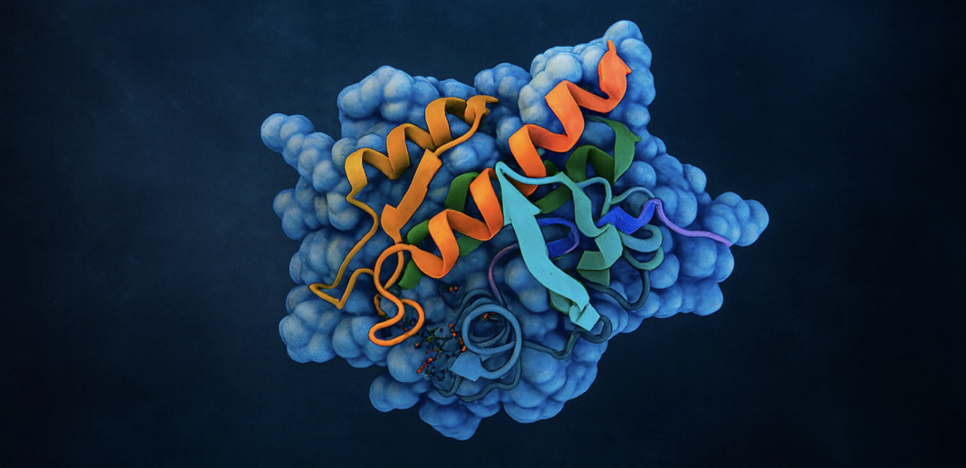
Your ELISA confirms the therapeutic enzyme is present. Your Western blot shows a band at the correct molecular weight. But here’s the critical question: is the enzyme actually functional?
For mRNA-based enzyme replacement therapies targeting rare metabolic diseases, producing protein mass isn’t enough. Many enzymes require specific phosphorylation patterns for catalytic activity. Without direct measurement of these modifications, one makes an assumption about function that could derail a program.
The Phosphorylation Problem in Enzyme Replacement
Protein phosphorylation controls enzyme activity across metabolic pathways. Kinases add phosphate groups to serine, threonine, or tyrosine residues, often triggering conformational changes that activate or inhibit catalytic sites. For enzymes treating glycogen storage diseases, lysosomal storage disorders, or amino acid metabolism defects, phosphorylation status directly determines whether patients receive functional therapy.
The challenge intensifies with mRNA therapeutics. Unlike recombinant protein drugs manufactured in controlled bioreactor conditions, mRNA-produced proteins depend on the patient’s own cellular machinery for folding and modification. Disease states, genetic background, and tissue microenvironment all influence post-translational processing. What works in healthy mouse hepatocytes may not translate to diseased human tissue.
Consider a glucosidase for Pompe disease. The enzyme requires specific phosphorylation for lysosomal trafficking and substrate binding. Standard immunoassays confirm enzyme expression but can’t distinguish between active phosphorylated forms and inactive unmodified versions. Dosing patients with inactive enzyme wastes resources and delays treatment while you troubleshoot efficacy failures.
What Phosphoproteomics Reveals
Phosphoproteomics uses mass spectrometry to map phosphorylation sites across the entire proteome. Unlike phospho-specific antibodies that detect single known sites, Panome Bio’s phosphoproteomics service identifies greater than 15,000 phosphopeptides across more than 7,000 unique proteins in a sample. This unbiased approach discovers both expected and unexpected modifications.
For mRNA enzyme therapy development, phosphoproteomics answers several critical questions. First, does your therapeutic enzyme carry the phosphorylations required for activity? Comparing phosphorylation patterns between your mRNA-produced enzyme and the functional native enzyme validates proper modification. Missing activating phosphorylations explain functional deficits that protein quantification alone would miss.
Second, are downstream pathway enzymes being phosphorylated appropriately? Successful enzyme replacement should restore normal metabolic flux, which often involves phosphorylation-mediated regulation of pathway enzymes. Phosphoproteomics maps these downstream effects, providing mechanistic proof that your enzyme is working.
Third, are there unexpected phosphorylations that might affect stability or localization? Disease tissue environments can activate stress kinases that modify proteins aberrantly. Identifying these modifications early prevents surprises during clinical development.
Applications Across Enzyme Therapy Types
For lysosomal storage diseases, phosphoproteomics confirms mannose-6-phosphate tagging required for lysosomal trafficking. Your mRNA-produced enzyme must acquire these modifications to reach its site of action. Standard assays measure total enzyme but can’t confirm proper trafficking signals.
In glycogen storage diseases, key regulatory enzymes like glycogen phosphorylase require specific phosphorylations for activation. Demonstrating that your mRNA therapy restores normal phosphorylation patterns of endogenous metabolic enzymes proves mechanism of action more convincingly than substrate accumulation data alone.
For amino acid metabolism disorders, many enzymes function as multimeric complexes where phosphorylation controls subunit assembly. Phosphoproteomics reveals whether your mRNA-produced monomers are properly modified to form active complexes.
Integration with Metabolomics for Complete Validation
Phosphoproteomics becomes even more powerful when integrated with metabolomics. While phosphorylation status indicates potential enzyme activity, metabolomics confirms functional consequences. This combination provides definitive proof of therapeutic mechanism.
If your mRNA produces properly phosphorylated enzyme but metabolomics shows no restoration of disease-disrupted pathways, you’ve identified a problem. Perhaps the enzyme isn’t reaching the right cellular compartment or the disease phenotype involves additional factors. Conversely, seeing both correct phosphorylation and metabolic correction provides strong mechanistic evidence for regulatory submissions.
When to Deploy Phosphoproteomics
During construct optimization, use phosphoproteomics to compare different mRNA designs. Codon optimization, UTR selection, and modified nucleotides can all affect co-translational folding, which influences subsequent phosphorylation. Identifying constructs that consistently produce properly modified enzyme saves months of functional troubleshooting.
For dose optimization studies, phosphorylation analysis helps establish exposure-response relationships. How much mRNA is required to achieve therapeutic levels of active, phosphorylated enzyme? This question matters more than total protein levels for determining minimum effective dose.
During scale-up and manufacturing changes, phosphoproteomics confirms that process modifications don’t affect the post-translational quality of expressed protein. Changes in cell culture conditions, harvest timing, or formulation shouldn’t alter enzyme phosphorylation patterns if biological activity is to remain consistent.
Practical Implementation
Modern phosphoproteomics workflows make this analysis accessible during development. Sample requirements are modest, typically milligrams of tissue or millions of cells. Turnaround times of 4-6 weeks enable iterative construct optimization without derailing timelines.
The key is incorporating phosphoproteomics at decision points: construct selection, lead candidate nomination, dose-range finding, and manufacturing process validation. These strategic applications provide maximum value for understanding and optimizing your therapeutic enzyme.
Conclusion
mRNA enzyme replacement therapy succeeds only when produced enzymes are functionally active, not merely present. Phosphorylation status often determines that activity. Standard protein quantification assays can’t distinguish between active and inactive forms, creating a blind spot in your development program.
Phosphoproteomics eliminates this blind spot, confirming that your mRNA produces properly modified, catalytically competent enzyme. For rare disease programs where clinical validation opportunities are limited and patient populations are precious, this level of molecular characterization isn’t optional, it’s essential for responsible development.